|
|
|
|
|
Dear Members and Colleagues,
|
|
|
|
|
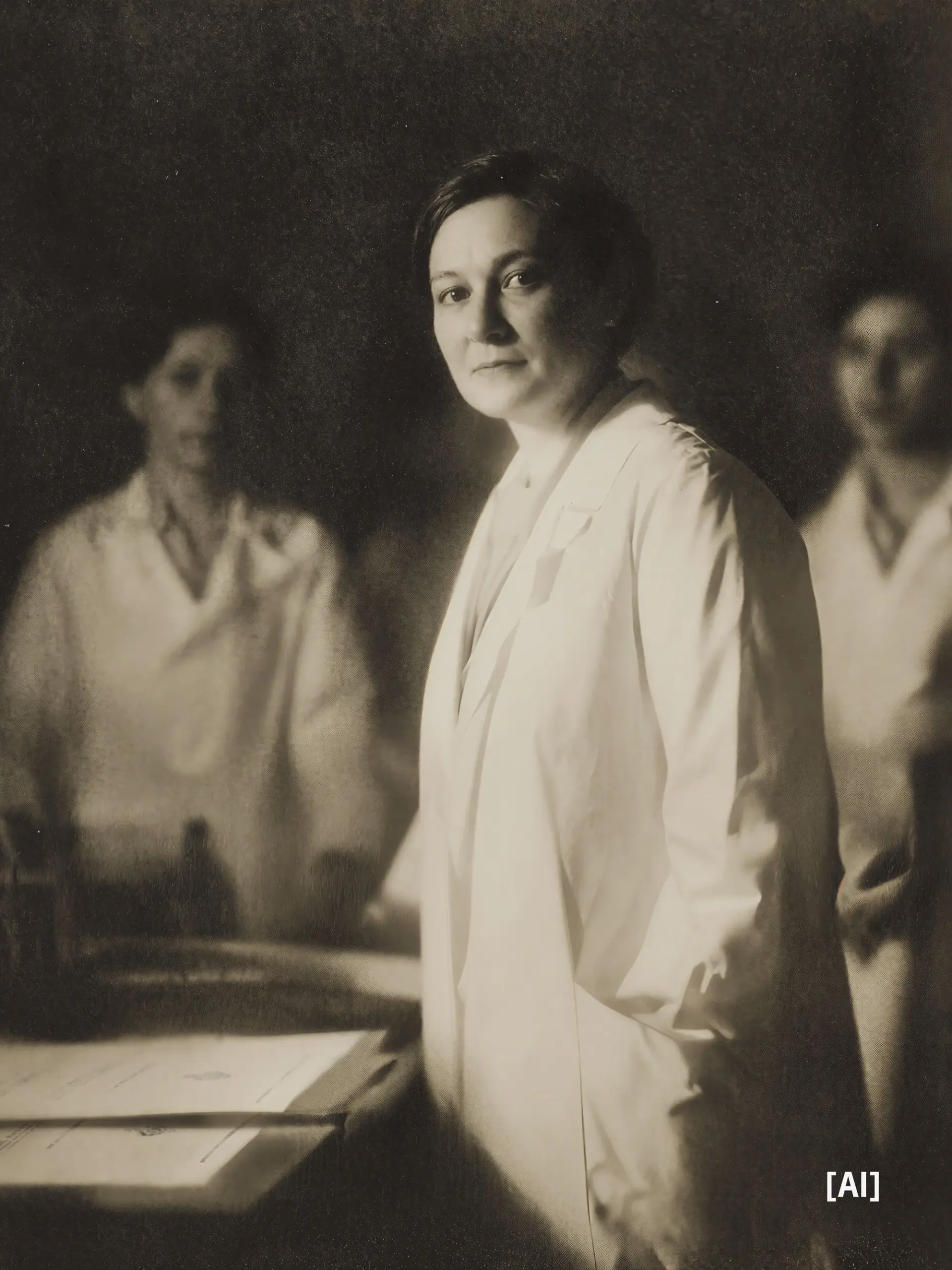
This month, we highlight collaborative work of the BilderInstitut artist Gesine Born, recently exhibited at the BIH@Charité. AI-generated images bring life to long-forgotten pioneering scientific and medical contributions of eight women in Berlin.
|
|
Also engaging with the public, a great line up of events has been planned for Brain Awareness Week Berlin 2026, organised by ECN, BCCN and NeuroCure in collaboration with the Charité, HU and SFB1315. Read about these events and more in this month's issue.
|
|
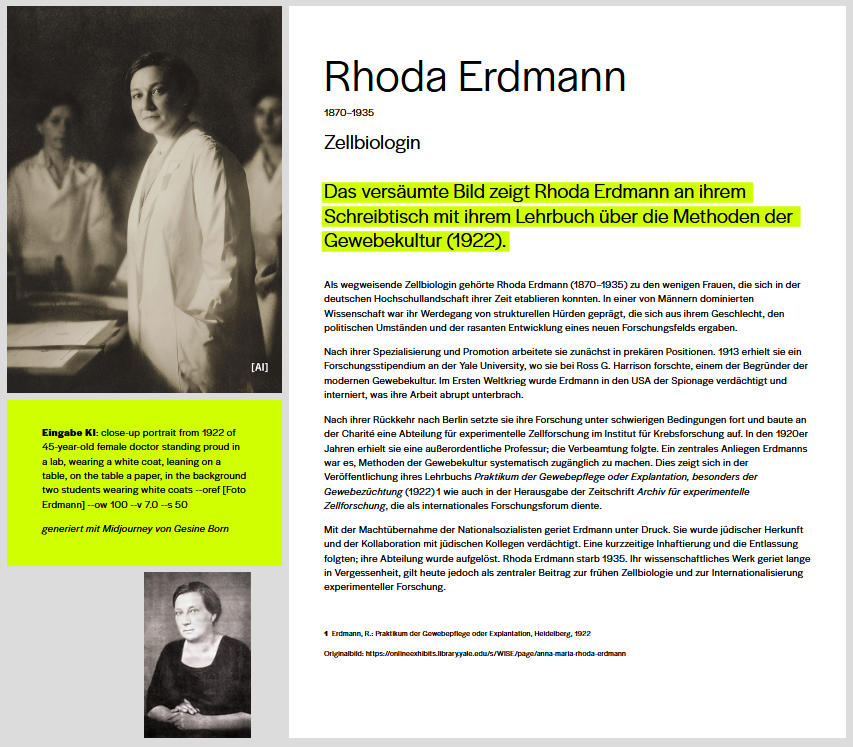
AI-generated image (left) of Rhoda Erdmann, at her desk with her handbook Praktikum der Gewebepflege oder Explantation, besonders der Gewebezüchtung (1922). Image courtesy of the Bilderinstitut, Gesine Born.
|
|
|
|
|
|
|
Support and mental health for doctoral researchers
|
Mar 11-Mar 12, 2026 TU Berlin | Glück Ahoi – Gestärkt und gesund durch die Promotion
|
|
Complete list of BUA workshops here >>
|
|
|
|
|
|
|
|
|
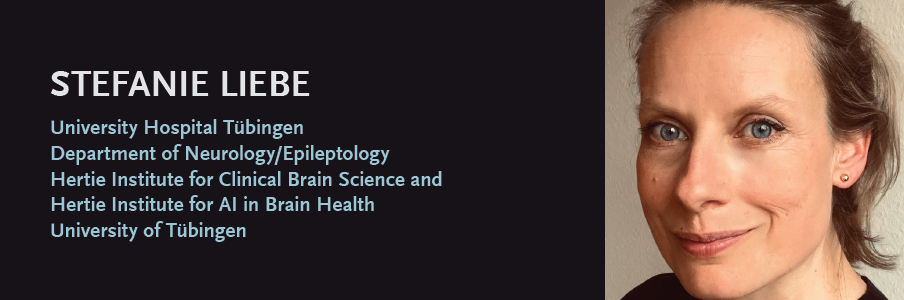
Image, Courtesy Stefanie Liebe
|
|
|
Theta–gamma-spike coordination of neuronal representations during human sequence memory
|
Mar 17, 2026 | 4:00 pm CET | online talk, ZOOM ID: 7754910236
|
This talk is part of Brain Awareness Week Berlin, 2026.
|
Memory formation and maintenance are thought to rely on coordinated interactions between spiking activity and network oscillations, yet their precise mechanistic interplay in the human medial temporal lobe remains unclear. Using simultaneous single-neuron and local field potential recordings in epilepsy patients performing sequential working-memory tasks, we examine how oscillatory dynamics structure neuronal representations over time. We show that distinct gamma-band rhythms coordinate stimulus-specific spiking locally, while theta–gamma interactions organize recurrent epochs of activity and interregional communication. These findings suggest that sequential memories are supported by multiplexed spike–oscillation codes that flexibly coordinate local representations and network-level interactions in the human medial temporal lobe.
|
|
|
|
|
|
|
Wishing Team Assistant Serenella Brinati all the best as she starts a new position at DZNE Berlin
|
|
|
|
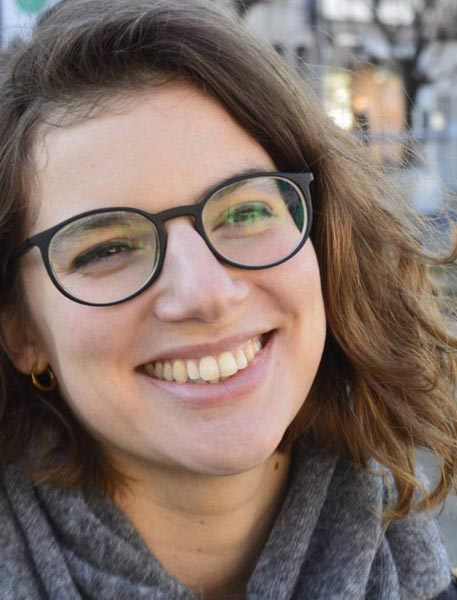
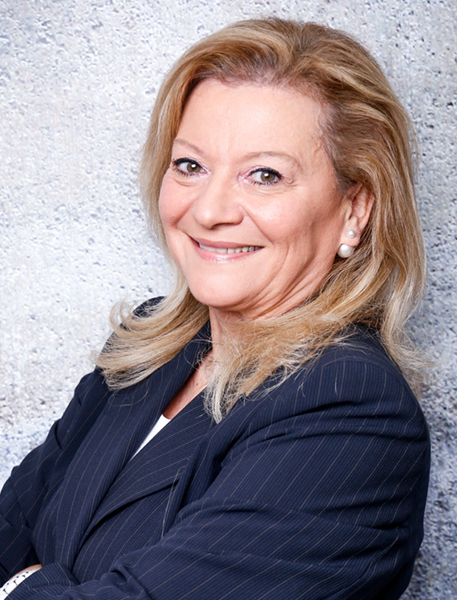
Image, Courtesy Serenella Brinati
|
Join us as we wish SFB1315 Team Assistant Serenella Brinati the very best as she starts a new position at the DZNE Berlin.
|
Serenella joined the Z project team in phase 1, and since then has provided guests, members and associates with continuous administrative assistance, as well as supported all project-specific events, including lectures, symposia, retreats, workshops, and project renewal.
|
|
Thank you Serenella for your wonderful dedication, your positive outlook and your support over the years!
|
|
|
|
|
|
Mark your calendars
2026 mid-year meeting, lecture & social
|
June 16, 2026 | starting at 3 pm | BCCN Lecture Hall and Courtyard, Philippstr. 13, Haus 6, 10115 Berlin
|
|
Mark your calendars for our 8th mid-year business meeting (3 pm), including Martin Both's lecture (4 pm) and a social in the courtyard of BCCN (5.30 pm)!
|
|
|
|
|
|
|
|
|
Equity, Diversity and Inclusion
|
|
|
|
|

|
Image, Drivers
|
The DRIVERS Journal Club team
|
|
Apr 13, 2026 | 12:00 CET | Link to event
|
|
The next DRIVERS journal club will meet to discuss the following article:
|
|
|
|
|
|
Revisiting "Dude Walls": Versäumte Bilder - Missed Images
|
|
|
|
AI-generated image (top), the artist. Gesine Born, Bilderinstitut. Based of previous work of the Bilderinstitut, this project was initiated by BIOQIC Coordinator Kristina Pavićević, in collaboration with Karin Höhne, Head of BIH Equal Opportunity & Diversity, among others.
|
|
Feb 26 - Mar 27, 2026 | Rahel Hirsch Center for Translational Medicine, Luisenstr. 65, 10117
|
|
Recognising long-forgotten contributions of eight female scientists based at the Charité, Gesine Born (Bilderinstitut) and partners at the Charité, BIH, DFG among others, hosted an outstanding exhibition on "Missed Images" (Versäumte Bilder). Explore the artist's projects for the BMFTR, Bonn, Darmstadt, and now the Charité.
|
|
SFB1315 supported the AI-generated image of Rhoda Erdmann. Many thanks to Marina Mikhaylova (A03, A10) for valuable comments along the way.
|
|
|
|
|
|

|
Image, Lost women of science.org
|
|
Check out the podcasts here.
|
|
Podcasts: Lost Women of Science
|
Since 2023, the Sloan Foundation among others have supported the production of podcasts, narrating stories of forgotten women in science, exploring both their lives and work – giving them the recognition they deserve. Topics range from paleontology, to aeronautics, biochemistry, astrophysics and more.
|
|
|
|
|
|
|
April 23, 2026 | 09:30–15:00 | Charité CrossOver-CCM, campus
|
|
Check out our programme here! To contribute a talk, contact the Z team.
|
|
|
|
|
|
|
|
Outreach - Call for contributions
|
|
|
|
|
|
|
Organised by ECN, BCCN, and NeuroCure, in cooperation with the Charité Berlin, HU Berlin, and SFB1315
|
|
|
|
|
|
Berlin Brains on Tour 2026
|
|
|
|
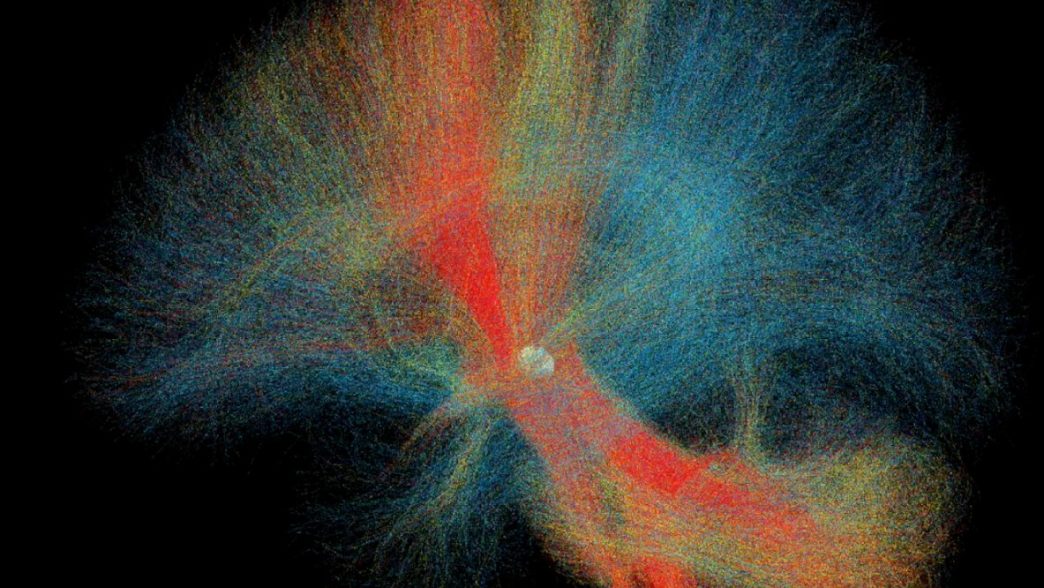
Image: Urania.de, TOMORROW:jetzt
Stimulierte Wahrnehmung
|
Wie verarbeiten wir Sinneseindrücke? Die elektrische Hirnstimulation hilft, die Funktionsweise des Gehirns besser zu verstehen.
|
Fr, 20.03.2026 | 19:30 Uhr | Zeiss-Großplanetarium, Prenzlauer Allee 80, 10405 Berlin
|
|
Alessia Cavallo, Wolf-Julian Neumann, Jochen Müller
|
|
Wie nimmt unser Gehirn die Außenwelt wahr? In den 1950er Jahren stellten der Gehirnchirurg Wilder Penfield und die Neuropsychologin Brenda Milner fest, dass die schwache elektrische Stimulation von Gehirngewebe komplexe Sinneseindrücke hervorrief. Penfield nutzte diese Technik im Operationssaal in Kombination mit Fotografie, um das Gehirngewebe seiner Patientinnen und Patienten zu kartieren. Gleichzeitig eröffnete sich damit ein völlig neuer Blick auf die Funktionsweise des Gehirns. Alessia Cavallo und Wolf-Julian Neumann von der Klinik für Neurologie mit Experimentelle Neurologie an der Charité-Universitätsmedizin Berlin nutzen heute die historischen Daten, um die Funktionsweise des Gehirns besser zu verstehen und neue Therapieansätze für Menschen mit Parkinson zu entwickeln.
|
|
Wolf-Julian Neumann ist Professor für invasive Neurotechnologie an der Sektion Bewegungsstörungen und Neuromodulation der Klinik für Neurologie der Charité – Universitätsmedizin Berlin
|
Alessia Cavallo arbeitet als Doktorandin in der Sektion Bewegungsstörungen und Neuromodulation der Klinik für Neurologie der Charité – Universitätsmedizin Berlin
|
Berlin Brains ist eine gemeinsame Veranstaltungsreihe von: Urania Berlin, Stiftung Planetarium Berlin, Bernstein Center for Computational Neuroscience Berlin, Einstein Zentrum für Neurowissenschaft, Exzellenzcluster NeuroCure und Science of Intelligence, Fraunhofer Heinrich-Hertz-Institut, Max Delbrück Center für Molekulare Medizin in der Helmholtz Gemeinschaft, Sonderforschungsbereich SFB 1315 und SFB Transregio TRR 295 ReTune.
|
|
|
|
|
Soapbox Science 2026
|
June 28, 2026 | 15-18:00 | Holzmarkt 25, Berlin
|
At the upcoming event, 12 researchers will present short, accessible talks about their work, followed by interactive discussions with the public. Talks will be held in English or German.
|
|
Take a look at these links to learn more about them and what they do:
|
|
|
|
|
|
|
|
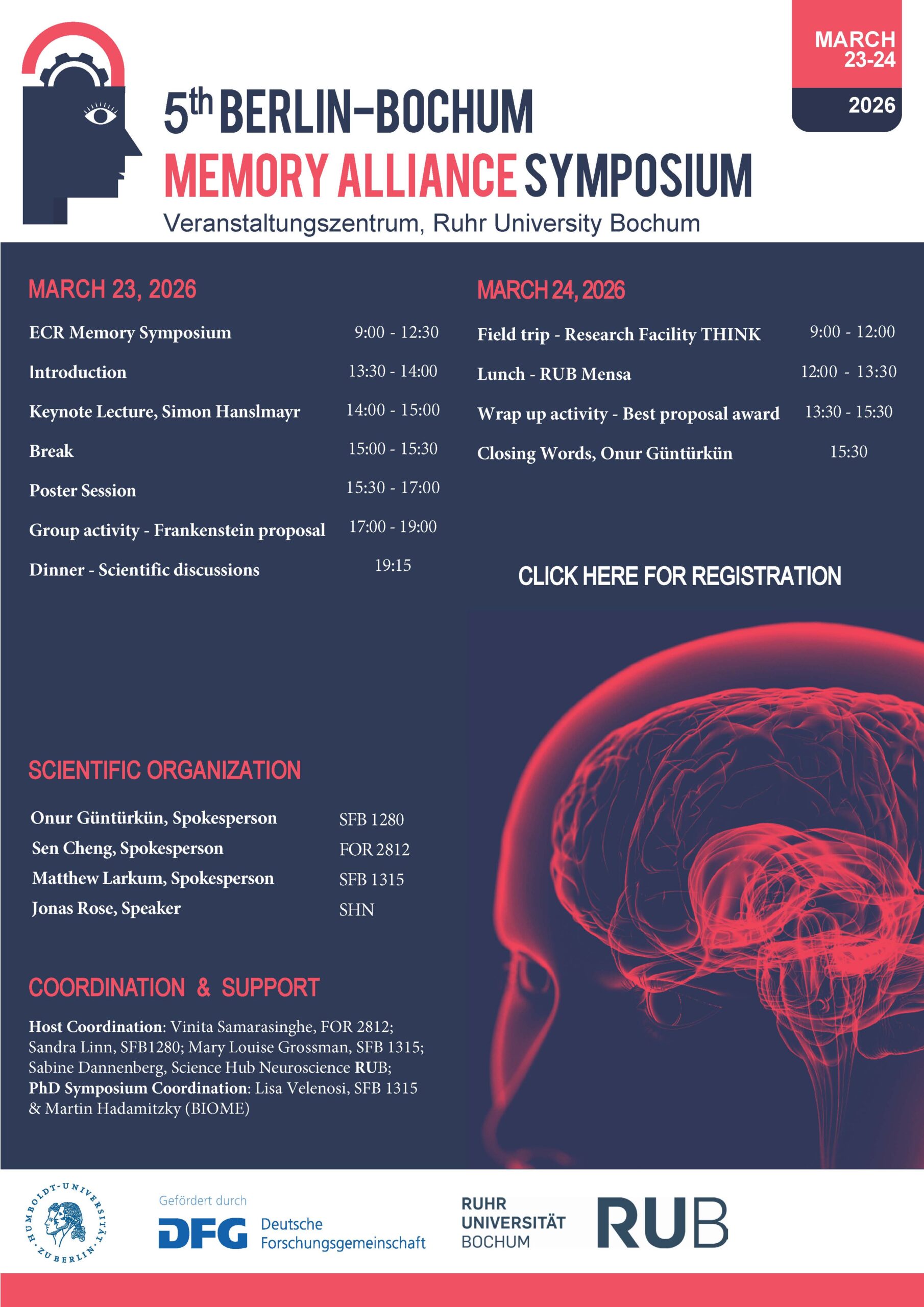
Berlin-Bochum Memory Alliance
|
|
|
|
|
|
|
|
|
|
|
|
|
Polarity-dependent modulation of sleep oscillations and cortical excitability in aging
|
|
|
|
|
The flexible synapse – How mossy fiber architecture adapts to changing needs
Prog Neurobiol. 258:102882 (2026)
|
|
|
|
|
|
|
Institut für Biologie
Humboldt-Universität zu Berlin
SFB1315 Speaker Matthew Larkum, Deputy Speaker Richard Kempter.
Management & Coordination
Mary Louise Grossman.
Office: Charité Universitätsmedizin Berlin, Charitéplatz 1, 10117 Berlin
|
|
|
|
|